
Vitamin D Testing: Why You Should Check Your Vitamin D Levels This Fall
Vitamin D Testing: Why You Should Check Your Vitamin D Levels This Fall
👋 Dr. Kelly here. It’s Vitamin D time! 🌞
Fall is here, which makes this a great time to think about your Vitamin D levels.
After spending more time outside and getting more sunshine during the summer months, fall is a good opportunity to establish a baseline and find out where your Vitamin D levels stand before winter arrives.
Are You Taking Vitamin D?
Many people take a Vitamin D supplement—but do you know what your Vitamin D level actually is?
That is an important question because Vitamin D is a fat-soluble vitamin, meaning your body can store it. Unlike water-soluble vitamins such as Vitamin C, excess Vitamin D isn’t simply eliminated through urine.
More isn’t necessarily better. Too much Vitamin D can be harmful.
That’s why I believe testing your Vitamin D level is much more useful than simply guessing how much you need.
My Dad’s Vitamin D Story
This became very real for me with my own father.
He had been taking 5,000 IU of Vitamin D every day. When he had blood work done, we discovered that his Vitamin D level was in the 90s.
Because his level was already high, he needed to stop taking Vitamin D every day.
The lesson? Test instead of guessing.
Before continuing—or increasing—a Vitamin D supplement, it can be helpful to know your starting point.
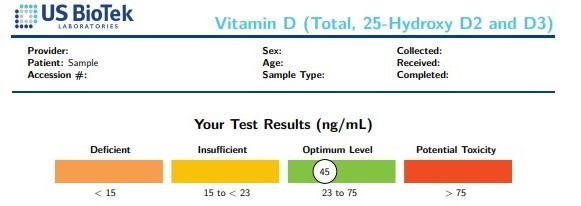
What Is a Healthy Vitamin D Level?
Vitamin D blood tests typically measure 25-hydroxyvitamin D [25(OH)D].
Laboratories may use different reference ranges, and your individual target should be discussed with your healthcare professional.
At Tree of Life Wellness Center, I like to look at the whole picture—not just whether a number falls inside the laboratory’s reference range.
For example, a result may technically fall within a lab’s normal range, but that doesn’t necessarily mean it is the level that is appropriate for you.
Your Vitamin D level is one piece of information that can help guide a personalized wellness plan.
Why Is Vitamin D Important?
Vitamin D plays several important roles in the body.
It helps with:
- 🦴 Bone health and calcium absorption
- 💪 Muscle function
- 🛡️ Normal immune system function
- ❤️ Overall health and wellness
- 🩸 Maintaining healthy calcium levels in the blood
Vitamin D is also being studied for its relationship with many aspects of health, including mood and metabolic health.
The important thing to remember is that Vitamin D is one part of a bigger picture of health, not a magic solution for every health concern.
The Best Natural Source of Vitamin D? Sunshine! 🌞
One of the body’s natural ways of making Vitamin D is through sun exposure.
Hopefully, you’ve enjoyed plenty of sunshine this summer!
However, Vitamin D production from sunlight depends on many factors, including:
- Time of year
- Location
- Time of day
- Skin pigmentation
- Age
- Amount of skin exposed
- Sunscreen use
Because there are so many variables, sun exposure isn’t a reliable way to know whether your Vitamin D level is adequate.
And remember: protecting your skin from excessive UV exposure is still important.
Testing gives you actual information about your Vitamin D status.
How Can You Test Your Vitamin D Level?
You don’t necessarily have to make a trip to the laboratory.
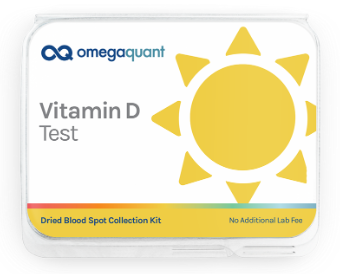
At Tree of Life Wellness Center, we can help you order a Vitamin D home testing kit.
The kit is shipped directly to your home.
The process is simple:
- 🩸 Perform a small finger prick.
- Place the sample in the provided collection kit.
- Mail the kit back to the laboratory.
- Your Vitamin D results are returned to me.
- We can then discuss what your numbers mean and what the next steps may be.
It’s a simple way to establish your Vitamin D baseline.
What If Your Vitamin D Level Is Low?
This is where testing becomes especially helpful.
Rather than automatically recommending the same Vitamin D dose for everyone, I want to know where your level starts.
Depending on your results, diet, lifestyle, sun exposure, medications, and overall health, your Vitamin D intake may need to be adjusted.
If supplementation is recommended, the goal isn’t simply to take Vitamin D forever.
The goal is to determine what your body needs and then reassess.
Why Retesting Matters
Let’s say you begin taking Vitamin D.
How do we know it’s working?
We test again.
After an appropriate period of supplementation, your Vitamin D level can be reassessed to see how your body responded.
Did your level increase?
Did it increase more than expected?
Did it barely change?
Did it stay about the same?
These results can provide useful information when determining what to do next.
What If Your Vitamin D Isn’t Responding?
If your Vitamin D level doesn’t increase as expected, that’s when I want to look deeper.
There can be many reasons why someone’s Vitamin D level may not respond as expected, including the amount being taken, consistency, absorption, medications, digestive issues, and other individual factors.
Other nutrients may also play important roles in overall nutrition and metabolism.
This is why I don’t want to look at Vitamin D in isolation.
I want to look at the person.
Vitamin D and Your Overall Wellness
Your Vitamin D level is just one number.
When we look at your wellness, we can consider the bigger picture—including nutrition, lifestyle, digestion, exercise, sleep, stress, and other laboratory information when appropriate.
The goal is not simply to get a number into a particular range.
The goal is to understand your body better and use that information to make informed decisions about your health.
Why Fall Is a Great Time to Check Vitamin D
Here’s why I like the end of summer as a reminder:
You’ve likely had your greatest opportunity for sun exposure during the warmer months.
Now we’re heading into fall and winter, when there is less sunlight and many people spend more time indoors.
Checking your Vitamin D level now gives you a starting point going into winter.
It also gives you an opportunity to make a plan if your level isn’t where you want it to be.
Then, after you’ve made changes, you can retest and see what happened.
Make Vitamin D Testing an Annual Wellness Check
Once you’ve established your Vitamin D level and determined an appropriate maintenance plan with your healthcare professional, you can discuss whether periodic testing makes sense for you.
For many people, connecting Vitamin D testing with their annual blood work can make it easier to remember.
Think of the end of summer as your annual Vitamin D reminder! 🌞➡️🍂
Text “VIT D” if you’d like to order a Vitamin D testing kit or a physician-quality Vitamin D supplement.
Or better yet, ask me about it at your next visit! 🙂
Yours in Health Naturally,
Dr. Kelly
Tree of Life Wellness Center
